TRS Bharat Editorial Team
Crop Science & Global Trade
In this article
- 1.Indica, Japonica & Aromatic — The Three Great Rice Families
- 2.Basmati — The Crown Jewel of Northern India
- 3.South Indian Staples — Ponni, IR 20 & Sona Masoori
- 4.Samba & Kolam — Seasonal and Everyday Favorites
- 5.Kerala's Palakkadan Matta — Where Rice Turns Red
- 6.How Rice Is Cultivated — From Nursery to Harvest
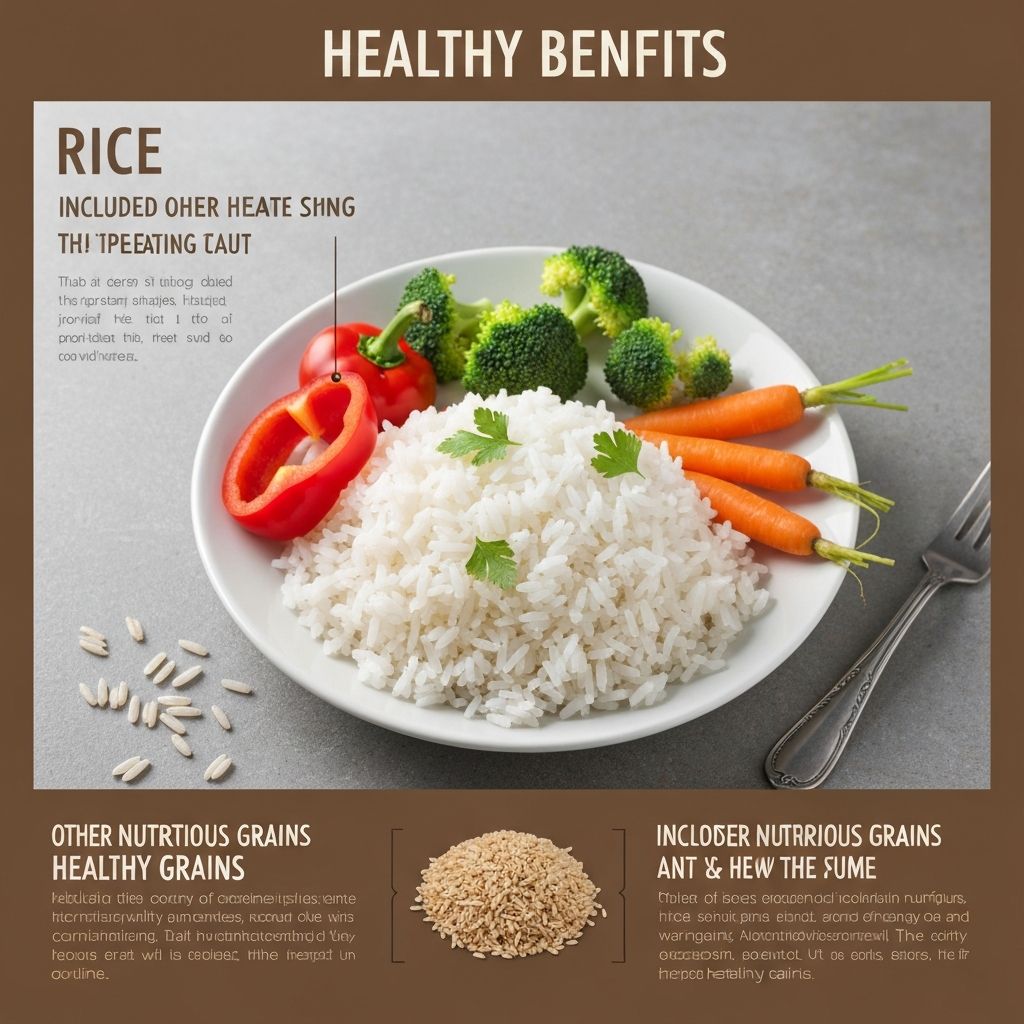
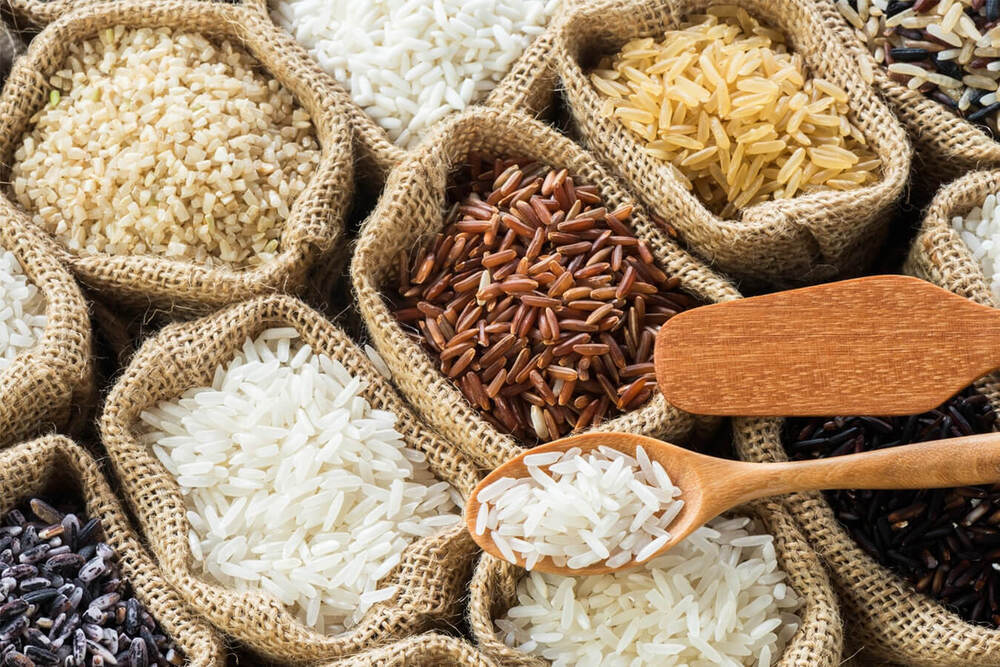
Rice (Oryza sativa) is one of humanity's oldest cultivated crops and the staple food for more than half the world today. Within that single species, however, lies an astonishing diversity — long-grained Basmati, soft sweet Ponni, robust IR 20, seasonal Samba, everyday Kolam, ruby-red Matta, and thousands more. Understanding these varieties — and the methods by which they are grown — is the first step to trading rice intelligently.
Indica, Japonica & Aromatic — The Three Great Rice Families
All cultivated rice descends from two great subspecies. Indica is long-grained, less sticky, and thrives in tropical and subtropical climates — it dominates India, Southeast Asia, Africa, and the Americas. Japonica is shorter, plumper, and stickier, suited to temperate climates such as Japan, Korea, northern China, Italy, and California.
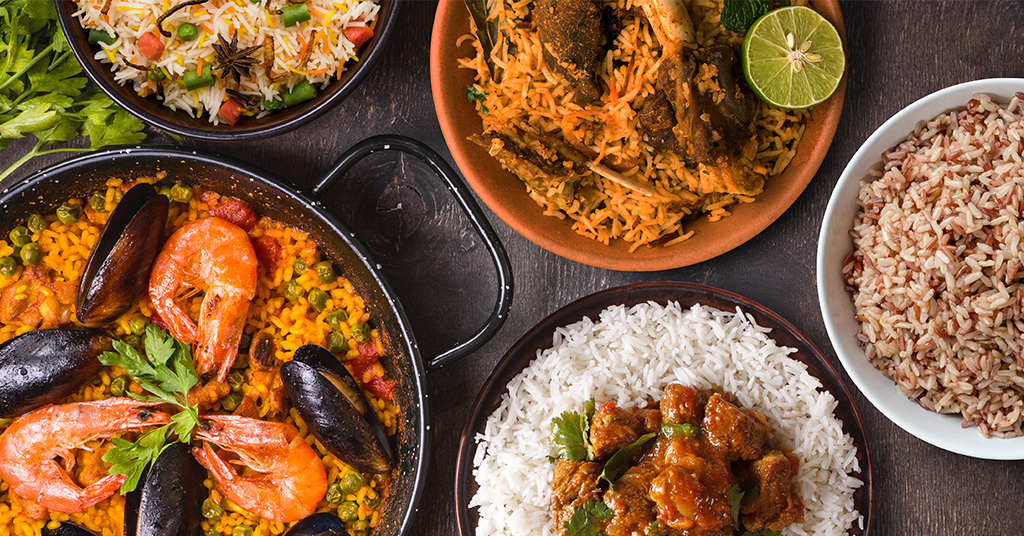
Sitting between them is the aromatic group, which includes India and Pakistan's Basmati and Thailand's Jasmine. Aromatic rices command premium prices everywhere they are sold, often 2–4× the price of comparable non-aromatic grades. Almost every variety grown in India is an Indica — including all the names below.
Basmati — The Crown Jewel of Northern India
Grown in the cool Indo-Gangetic plains of Punjab, Haryana, Uttarakhand, and parts of Western UP, Basmati is the world's most celebrated aromatic rice. Its slender, extra-long grain elongates to nearly twice its raw length when cooked, and its signature fragrance comes from a compound called 2-acetyl-1-pyrroline (2-AP).
Premium varieties — Pusa Basmati 1121, 1509, and the heirloom Pusa Basmati — are aged for 12–24 months before milling, intensifying both aroma and grain integrity. Basmati carries a registered Geographical Indication (GI) tag, restricting its name to rice grown in seven specific Indian states, and is the leading premium rice export to the Middle East, Europe, and North America.
South Indian Staples — Ponni, IR 20 & Sona Masoori
Ponni rice — bred in the 1980s for the Cauvery delta of Tamil Nadu — is the everyday rice of South India. Short to medium grained, soft when cooked, mildly sweet, and exceptionally easy to digest, it appears on lunch plates from Chennai to Coimbatore alongside sambar, rasam, and curd. Ponni Boiled (parboiled Ponni) is its most widely exported form.
IR 20, developed at the International Rice Research Institute (IRRI), is a high-yielding semi-dwarf variety that became one of the heroes of India's Green Revolution. Resistant to common pests and tolerant of varied conditions, IR 20 is grown widely across Tamil Nadu, Andhra Pradesh, and Karnataka — feeding millions every day. Sona Masoori, meanwhile, is a lightweight, mildly aromatic medium-grain rice from Karnataka and Andhra, prized globally for biryani, pulao, and lemon rice.
Samba & Kolam — Seasonal and Everyday Favorites
Samba is not a single variety but a cropping season — typically August to January — during which several traditional varieties are grown. Samba rice (especially the famous Seeraga Samba, the cumin-shaped aromatic prized for Chettinad biryanis) tends to be smaller, harder, and far more flavorful than other rices. The longer growing period concentrates flavor and starch, producing grains that hold their shape beautifully in cooking.
Kolam rice, grown across Maharashtra, Karnataka, and Andhra Pradesh, is the quiet workhorse of Indian kitchens. Slender, white, slightly aromatic, and quick to cook, Kolam appears in everyday family meals, restaurants, and catering operations across India. Surti Kolam and Lachkari Kolam are two of the most popular sub-varieties, both with excellent export potential thanks to consistent grain quality and reliable supply.
Quick reference — popular Indian rice varieties
- Basmati — extra-long aromatic, premium, north India (GI-tagged)
- Ponni — soft, sweet, easy-to-digest South Indian table rice
- IR 20 — high-yield IRRI variety, widely grown across South India
- Sona Masoori — lightweight aromatic medium-grain, biryani favorite
- Samba / Seeraga Samba — seasonal varieties, deeply flavorful
- Kolam — slender white everyday rice, quick to cook
- Matta — Kerala's red parboiled rice, fiber- and mineral-rich
Kerala's Palakkadan Matta — Where Rice Turns Red
Cross the Western Ghats into Kerala and rice changes color. Palakkadan Matta — a coarse, ruby-hued parboiled rice with a chewy bite and earthy aroma — is the cornerstone of the Kerala plate. Its red bran layer is rich in fiber, magnesium, zinc, and B-complex vitamins, giving the rice a glycemic index far lower than that of polished white grains.
Matta is GI-tagged to the Palakkad region of Kerala, where the volcanic soil and specific water sources produce its unique flavor profile. It pairs beautifully with the state's coconut-forward fish curries, beef ularthiyathu, and breakfast classics like puttu and idiyappam — and is increasingly sought after by health-conscious consumers worldwide.
How Rice Is Cultivated — From Nursery to Harvest
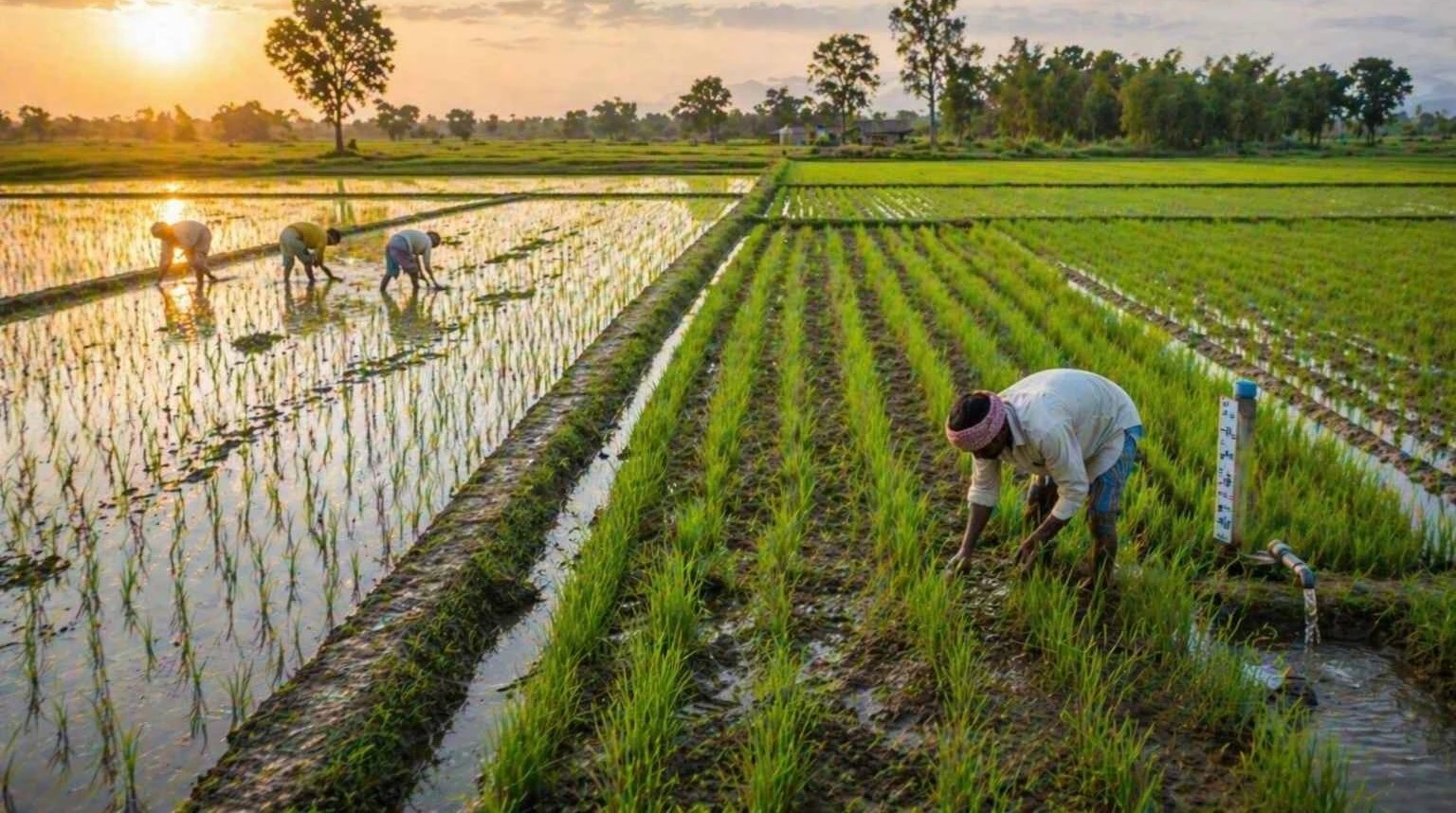
Rice cultivation is one of the most labor-intensive farming systems in the world, traditionally requiring four main stages: nursery preparation, land preparation, transplanting, and harvesting. In nursery preparation, seeds are pre-germinated and grown in dense beds for 20–25 days before the seedlings are uprooted for transplanting into the main field.
The main field is plowed, leveled, and flooded with 5–10 cm of water — the classic 'paddy' system that gives rice its iconic mirrored fields. Seedlings are transplanted by hand or machine in regular spacing. Over the next 100–150 days, the crop progresses through tillering, panicle initiation, flowering, and grain-filling stages, with water levels carefully managed at each step.
Modern cultivation methods are increasingly replacing this traditional approach. Direct-Seeded Rice (DSR) eliminates transplanting altogether by sowing seeds directly into prepared fields, saving significant labor and water. The System of Rice Intensification (SRI) uses single young seedlings, wider spacing, and intermittent irrigation — reducing water consumption by 30–50% while raising yields by 20–50%. Drip-irrigated rice and aerobic rice systems are pushing efficiency even further in water-scarce regions.
“Rice is not one crop. It is several thousand crops sharing a single name — and the farmer or buyer who understands that has a permanent advantage.”
Key Takeaways
- Indian rice splits into three families: Indica (most varieties), Japonica (rare in India), and aromatic (Basmati).
- Basmati is GI-tagged, aged, and dominates the premium export segment.
- Ponni, IR 20, Sona Masoori, and Kolam form the everyday rice backbone of South India.
- Samba is a season, not a variety — and Seeraga Samba is its most-prized aromatic.
- Kerala's Palakkadan Matta is a GI-tagged red parboiled rice with growing global demand.
- Modern cultivation methods (DSR, SRI) are cutting water use while raising yields.
In Closing
Understanding rice — both its varieties and the methods that grow it — is the first step toward sourcing it well. Whether you are a retailer building a private label, an importer launching into a new market, or simply a curious consumer, varietal knowledge transforms a generic commodity into a premium proposition. TRS Bharat Global Solutions is here to help you make exactly that translation.
Written by
TRS Bharat Editorial Team
Crop Science & Global Trade · TRS Bharat Global Solutions