TRS Bharat Editorial Team
Food Culture & Culinary Heritage
No other ingredient travels with the same grace as rice. It can be steamed and silent under a Japanese fillet, perfumed with saffron in a Mughal court, slow-stirred into Italian creaminess, or piled high beside a Levantine stew. Rice is the world's most adaptable grain — and tracing its journey through global kitchens is one of the most delicious ways to understand cuisine itself.
India — Biryani, Pulao & the Art of the Spiced Rice Pot
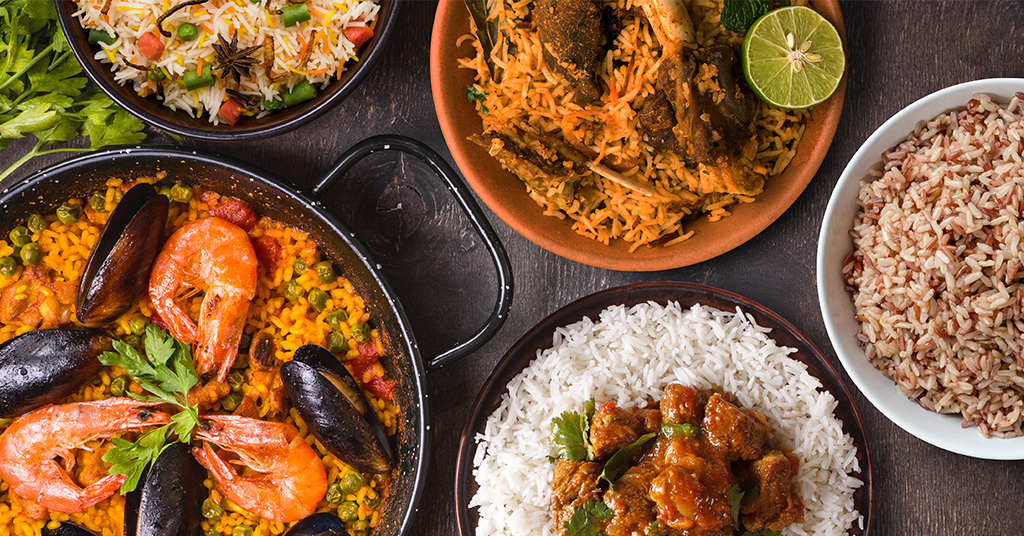
Indian rice cookery is a universe in itself. Biryani — long-grained Basmati layered with marinated meat, fried onions, saffron, mint, and slow-cooked under a sealed lid (the dum technique) — is perhaps the most celebrated rice dish in the world. Each region has its own school: Hyderabadi kachchi, Lucknowi pukki, Kolkata's potato-laced version, Thalassery's short-grained Khyma rice biryani, and Tamil Nadu's intensely aromatic Seeraga Samba Chettinad biryani.
Beyond biryani, the daily Indian plate features steamed rice with sambar and rasam in the south, jeera rice and pulao in the north, ghee rice in Kerala, bisi bele bath in Karnataka, and pongal across festival kitchens. Rice is also at the heart of breakfast — idli, dosa, appam, puttu, idiyappam — each requiring a different rice variety, soaking time, and grind. No single grain has produced more recipe diversity in one country.
East Asia — Sushi, Congee & the Discipline of Plain Rice
In Japan, rice is treated almost reverentially. Sushi rice (shari) is short-grain Japonica seasoned with rice vinegar, sugar, and salt — its texture, temperature, and acidity tuned precisely to support the fish that sits on top. A great sushi chef is judged first on the rice. Other Japanese rice staples include onigiri (hand-pressed rice balls), donburi (rice bowls), and the comforting morning bowl of plain steamed rice with miso soup, pickles, and grilled fish.
China's relationship with rice is older still. Congee — a slow-simmered rice porridge — is the universal comfort food and a daily breakfast for millions. Fried rice (chao fan) turned humble leftovers into one of the world's most-loved dishes, while sticky rice (glutinous rice) is wrapped in lotus or bamboo leaves for zongzi and other festival foods. Korea adds bibimbap and Vietnamese cuisine offers com tam (broken rice) and fragrant rice noodles in pho — each a masterclass in rice technique.
“The Japanese chef's first lesson is not how to slice fish — it is how to cook rice. Everything else builds on that foundation.”
The Middle East — Pilafs, Mandi & the Layered Plate
Cross into Persia, Turkey, and the Arab world and rice becomes a stage for nuts, dried fruit, saffron, and slow-cooked meat. Persian polo and chelow elevate plain rice into an art form — long Basmati grains cooked, drained, and steamed in a buttered pot to create the prized golden crust at the bottom called tahdig. Layered jeweled rice (javaher polo), with barberries, pistachios, and orange peel, is served at weddings and feasts.
Arabian peninsula classics like mandi, kabsa, and majboos use long-grain Basmati slow-cooked with whole spices and tender meat in a single deep pot — a tradition that exports beautifully and accounts for a significant portion of India's premium Basmati exports to the Gulf each year.
The Mediterranean & Americas — Risotto, Paella, Jambalaya & More
Italy turned medium-grain Arborio and Carnaroli rice into risotto — slow-stirred with stock, butter, parmesan, and seasonal ingredients until it reaches a creamy yet al dente consistency. Spain answers with paella, where short-grain Bomba rice absorbs saffron-laced stock alongside seafood, chicken, or rabbit in a single wide pan, finishing with the prized crispy bottom called socarrat.
Across the Atlantic, rice anchors Cajun jambalaya and Creole gumbo in Louisiana, beans-and-rice combinations across the Caribbean (Cuban congrí, Puerto Rican arroz con gandules), Mexico's arroz rojo, and Brazil's daily rice-and-beans pairing. In every case, rice is doing the same job — soaking up flavor, stretching protein, and turning a meal into a celebration.
One grain, many traditions — iconic rice dishes
- Biryani (India) — layered, spiced, slow-cooked aromatic Basmati
- Sushi (Japan) — vinegared short-grain Japonica with fresh fish
- Risotto (Italy) — creamy Arborio or Carnaroli, slow-stirred
- Paella (Spain) — saffron-laced Bomba rice with the crispy socarrat
- Kabsa & Mandi (Arabia) — spiced Basmati with slow-roasted meat
- Congee (China) — gentle, comforting rice porridge
- Jambalaya (USA) — Cajun rice with sausage, seafood & holy trinity
Why Variety Choice Defines the Dish
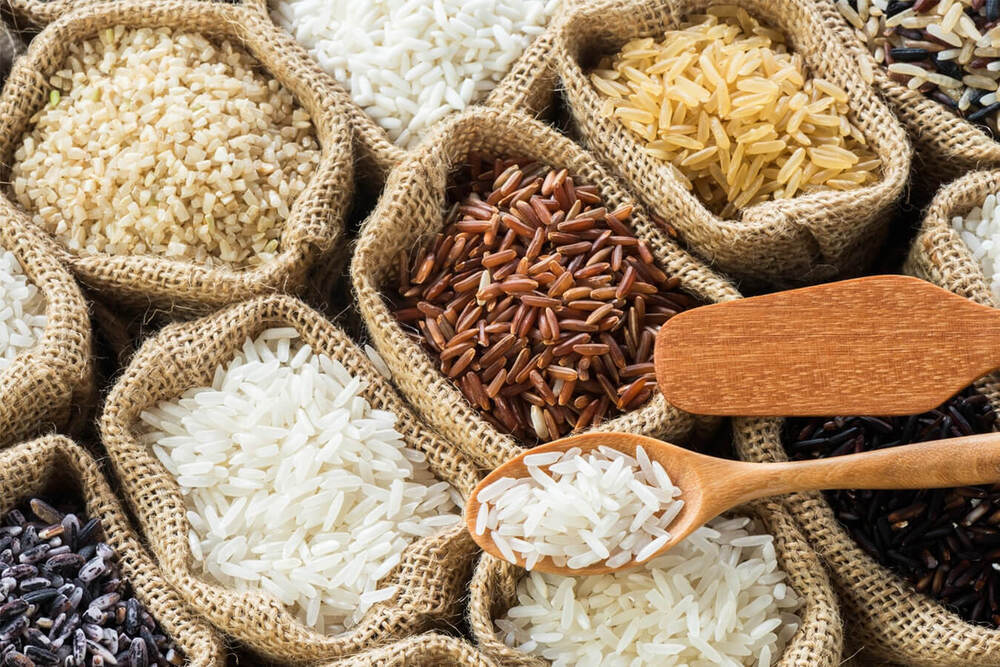
A truly authentic dish almost always begins with the right rice. Biryani depends on long-grain aged Basmati for its elegant elongation and separate grains. Sushi demands short-grain Japonica for stickiness. Risotto needs Arborio for its starchy creaminess. Paella requires Bomba's absorbency. Using the wrong variety doesn't just change the flavor — it changes the entire architecture of the dish.
This is why discerning chefs and importers source by variety, age, and origin rather than just 'rice'. It is also why TRS Bharat Global Solutions builds its export portfolio variety by variety — so a London restaurateur, a Riyadh hotel group, or a Tokyo retailer can buy exactly the rice their cuisine deserves, with full traceability from paddy to plate.
Key Takeaways
- Rice is the silent backbone of nearly every major cuisine on earth.
- Each tradition uses a specific variety — Basmati for biryani, Japonica for sushi, Arborio for risotto, Bomba for paella.
- India's biryani family alone spans dozens of regional schools and rice types.
- East Asia treats rice with culinary discipline; the Middle East treats it as a stage; the Mediterranean as a slow-cooked canvas.
- Choosing the right variety is the first step to cooking — or selling — rice authentically.
In Closing
Cuisine is geography on a plate, and rice is its most eloquent ambassador. The same grain that whispers under a piece of toro nigiri also sings under a Hyderabadi biryani. Understanding those differences — and supplying exactly the right variety to exactly the right kitchen — is the craft TRS Bharat is proud to practice every day.
Written by
TRS Bharat Editorial Team
Food Culture & Culinary Heritage · TRS Bharat Global Solutions