TRS Bharat Editorial Team
Nutrition & Wellness Desk
Rice has nourished humanity for thousands of years, and modern nutrition science is now catching up with what billions of people have always known instinctively — that a well-cooked bowl of rice, paired thoughtfully, is one of the most balanced and adaptive foods on earth. Below is what the latest research says about the world's most-eaten grain.
The True Nutritional Profile of Rice
A 100 g serving of cooked rice provides roughly 130 calories, 28 g of complex carbohydrates, 2.7 g of protein, less than 0.3 g of fat, and almost zero sodium. That makes rice one of the cleanest carbohydrate sources in the human diet — naturally low in fat, free of cholesterol, and easy on the kidneys.
Beyond the macro numbers, rice carries B-complex vitamins (thiamine, niacin, B6), minerals (manganese, magnesium, selenium, phosphorus), and — in unpolished varieties — meaningful amounts of dietary fiber. The notion that rice is 'just carbs' is one of the longest-running misunderstandings in nutrition.
White Rice — Easy, Fortified & Universal
White rice is polished to remove the bran and germ, giving it a long shelf life and quick cooking. While this strips out some micronutrients, it makes white rice exceptionally easy to digest — which is why it is often the first solid food given to infants, the recommended carbohydrate for athletes during competition, and the staple of recovery diets after illness or surgery.
Many countries — including India — now fortify white rice with iron, zinc, folate, and B vitamins as a public-health intervention, reaching billions of people through schools, welfare programs, and retail channels. The result is a humble grain that quietly delivers measurable improvements in anaemia and child-growth outcomes.
Brown Rice — A Whole-Grain Powerhouse
Brown rice keeps the bran layer and germ intact, dramatically increasing its nutritional density. A single cup of cooked brown rice provides about 88% of the daily value for manganese, 21% for magnesium, and 14% for selenium, alongside generous amounts of phosphorus, niacin, and vitamin B6.
The bran also contains gamma-oryzanol and tocotrienols — antioxidants linked in numerous clinical studies to improved cholesterol profiles, better arterial health, and reduced inflammation. Brown rice's slow-digesting fiber further supports gut health and prolonged satiety, making it an excellent choice for sustained energy and weight management.
“Swapping half your white rice for brown is one of the most-evidenced moves in nutrition — small change, real measurable benefits to heart health, blood sugar, and gut wellness.”
Red & Black Rice — Antioxidant Champions
Red and black rice take nutrition even further. Their dark colors come from anthocyanins — the same potent antioxidants found in blueberries and red wine. Black rice contains higher antioxidant activity per gram than many fresh berries, while red rices like Kerala's Palakkadan Matta and Tamil Nadu's Karuppu Kavuni combine that anthocyanin payload with rich iron, phenolic compounds, and dietary fiber.
These pigmented rices typically have a lower glycemic index than polished white rice, helping to keep post-meal blood sugar steadier. For wellness-focused consumers, they are no longer 'specialty' items — they are flagship products in premium healthy-eating ranges across Europe, North America, and East Asia.
Naturally Gluten-Free & Easy on Digestion
Rice is naturally gluten-free and hypoallergenic, making it safe and welcome for people with celiac disease, gluten sensitivity, food allergies, or irritable bowel conditions. It is one of the very few staple grains that virtually every dietary tradition on earth accepts, including strict therapeutic diets prescribed by doctors and dietitians.
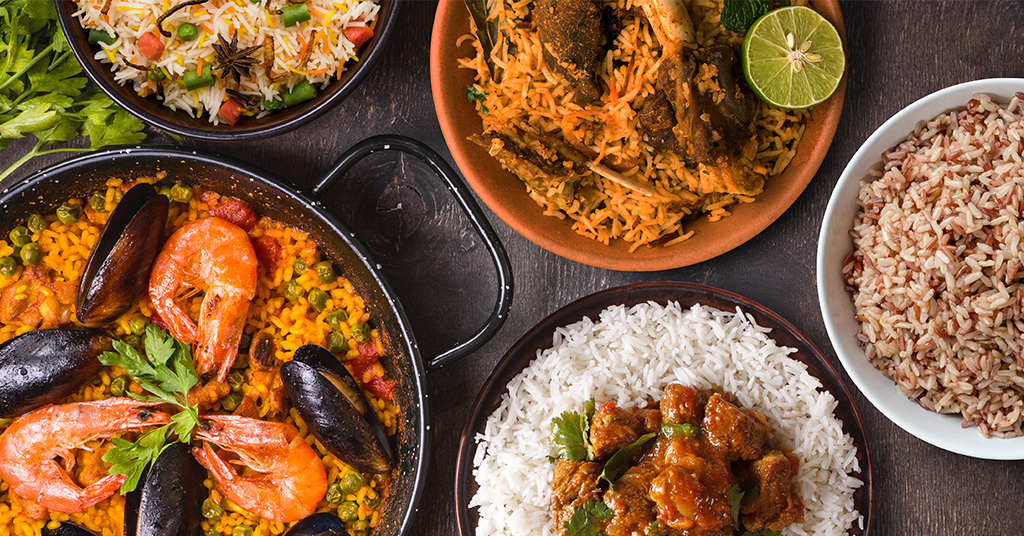
Rice also pairs effortlessly with legumes — dal, beans, lentils — to form a complete protein profile. This single combination underpins many of the world's healthiest traditional diets, from the Indian thali and the Japanese ichiju-sansai to the Latin American beans-and-rice meal.
Nutritional roles of common rice types
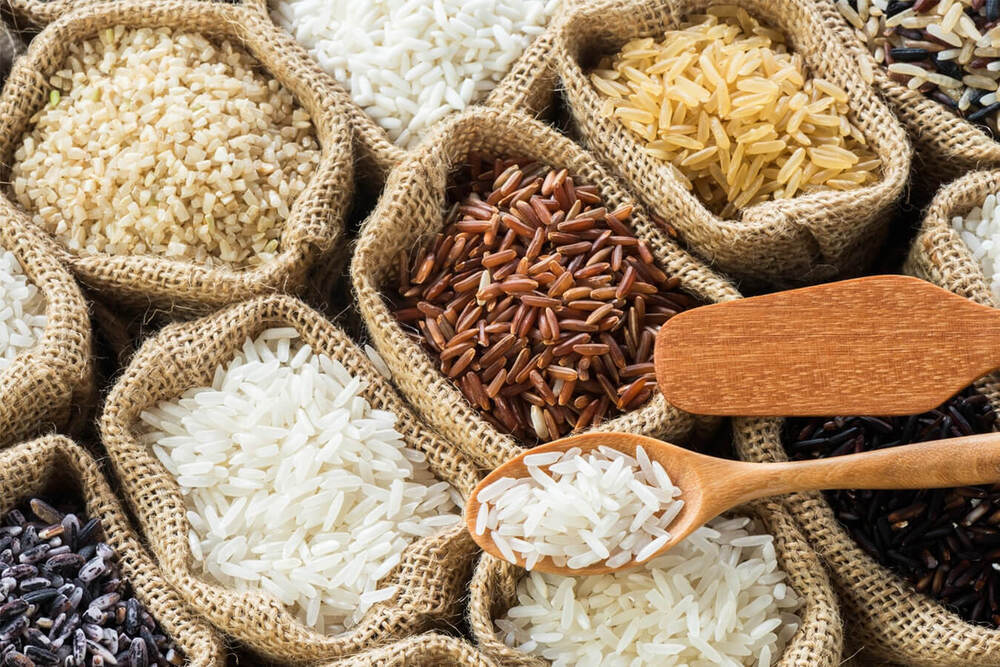
- White rice — quick energy, gentle on digestion, often fortified
- Brown rice — fiber, B vitamins, manganese, magnesium, gamma-oryzanol
- Parboiled rice — retained B-vitamins, lower glycemic index
- Red rice — iron, fiber, anthocyanins, anti-inflammatory phenolics
- Black rice — highest anthocyanin density, polyphenols, premium positioning
Building a Balanced Plate Around Rice
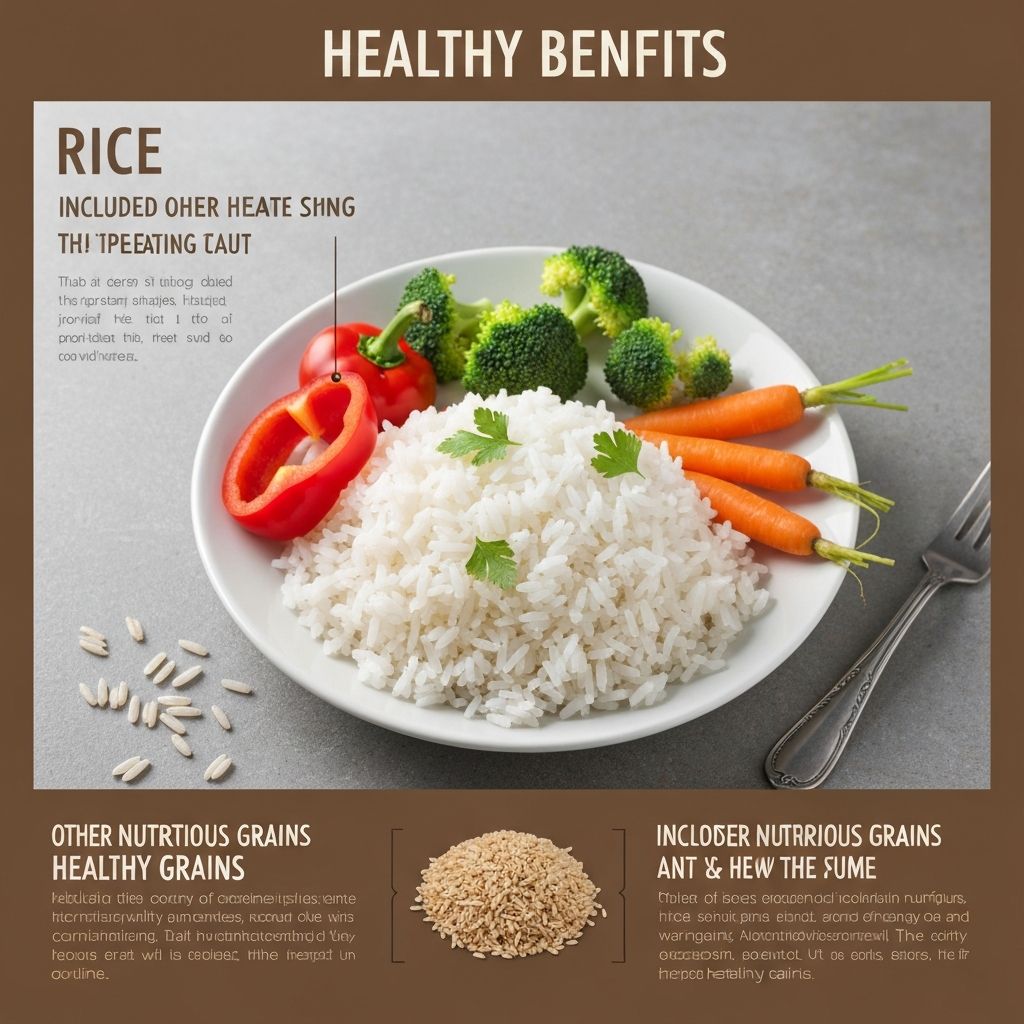
The key to enjoying rice's full nutritional benefit lies in variety, portion, and pairing. Build the plate with a fist-sized portion of rice, a generous serving of vegetables (cooked and raw), a source of protein (dal, fish, paneer, chicken, tofu), and a small amount of healthy fat (ghee, olive oil, nuts, seeds). The result is a meal that is satisfying, nutritionally complete, and metabolically gentle.
Rotating across varieties — white for some meals, brown or parboiled for others, red or black on special occasions — turns rice from a single ingredient into a year-round wellness strategy. At TRS Bharat Global Solutions, our portfolio is built exactly for that, so retailers and importers can offer their customers not just rice, but a complete rice-wellness story.
Key Takeaways
- Rice is a clean, low-fat carbohydrate with a surprisingly rich micronutrient profile.
- White rice is easy to digest and is increasingly fortified for public-health nutrition.
- Brown rice delivers fiber, minerals, and antioxidants linked to heart and metabolic health.
- Red and black rices are anthocyanin powerhouses comparable to fresh berries.
- Variety, portion, and pairing — not avoidance — unlock rice's full nutritional value.
In Closing
The healthiest rice is not a single variety — it is a rotation. By moving between white, brown, parboiled, red, and black rices over the week, every plate can carry both flavor and function. TRS Bharat is proud to supply the variety the world deserves and the wellness it increasingly demands.
Written by
TRS Bharat Editorial Team
Nutrition & Wellness Desk · TRS Bharat Global Solutions